
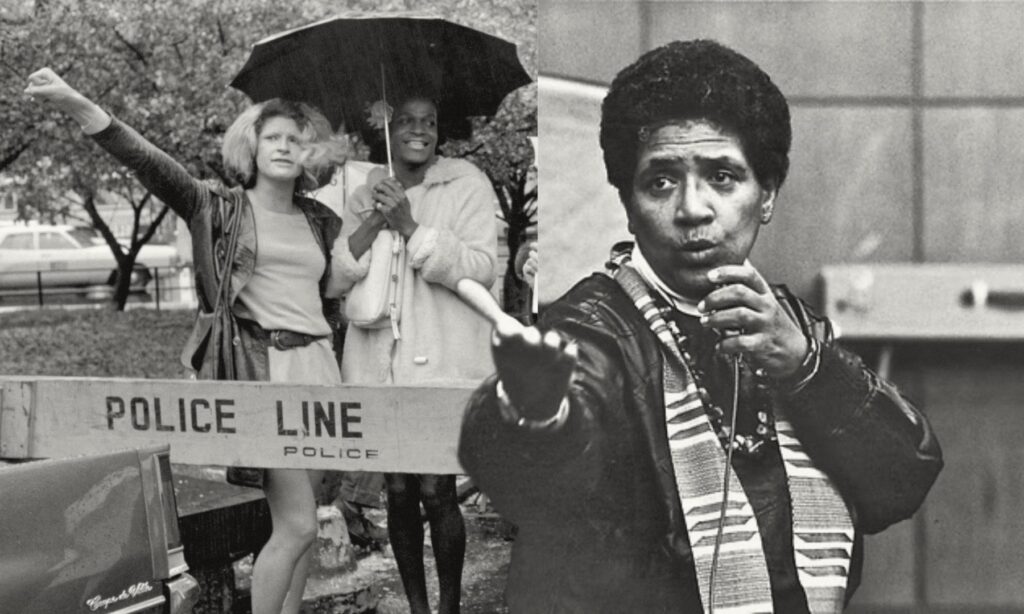
On the occasion of March 8th, International Women’s Rights Day, it is important to know and celebrate these queer women, too often invisible, who have left their mark on the struggles. This selection revisits 14 activists around the world. This list is of course not exhaustive, but necessary to remind ourselves that struggles are multiple, that victories are real and that many of these heroines still linger in the shadows.
Audre Lorde, “the warrior, mother, Black lesbian”
- American
- 1934–1992

Audre Lorde was a writer, essayist, poet, and teacher committed to an intersectional struggle. The one who presents herself as “Black, lesbian, mother, warrior, poet” became particularly famous for her speech that became an essay, The Master’s Tools Will Never Dismantle the Master’s House, in Sister Outsider. This essay sums up her thinking on systems of oppression and her way of rethinking struggles in the 1960s-70s, which she saw as not taking race, homophobia, and economic precarity into account.
She also co-founded, with other activists, notably Barbara Smith, Kitchen Table: Women of Color Press, the very first American publishing house created by and for women of color, to publish voices previously rejected by traditional publishing.
Marielle Franco, an elected official aware of the favelas
- Brazilian
- 1979–2018
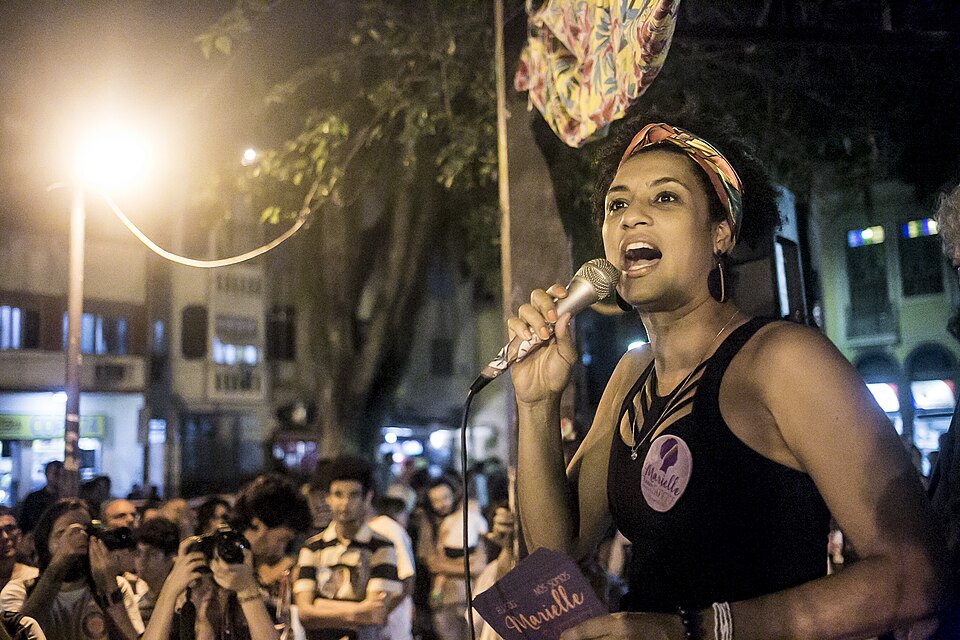
Marielle Franco was a Black bisexual woman, a mother and sociologist from the favelas. An activist with an intersectional vision, she fought against poverty, racism, sexism and homophobia. Elected municipal councilor of Rio de Janeiro in 2016, she chaired the Commission for the Defense of Women’s Rights at the Rio City Council.
She pushed forward projects for women, such as the creation of nighttime nurseries, the fight against harassment, and the protection of queers. Also engaged against state violence, she denounced extrajudicial killings, the power of paramilitary militias and the deadly violence of the police in the favelas. Assassinated, her death sparked large protests across Brazil.
Marsha P. Johnson, the central figure of Stonewall
- American
- 1945–1992
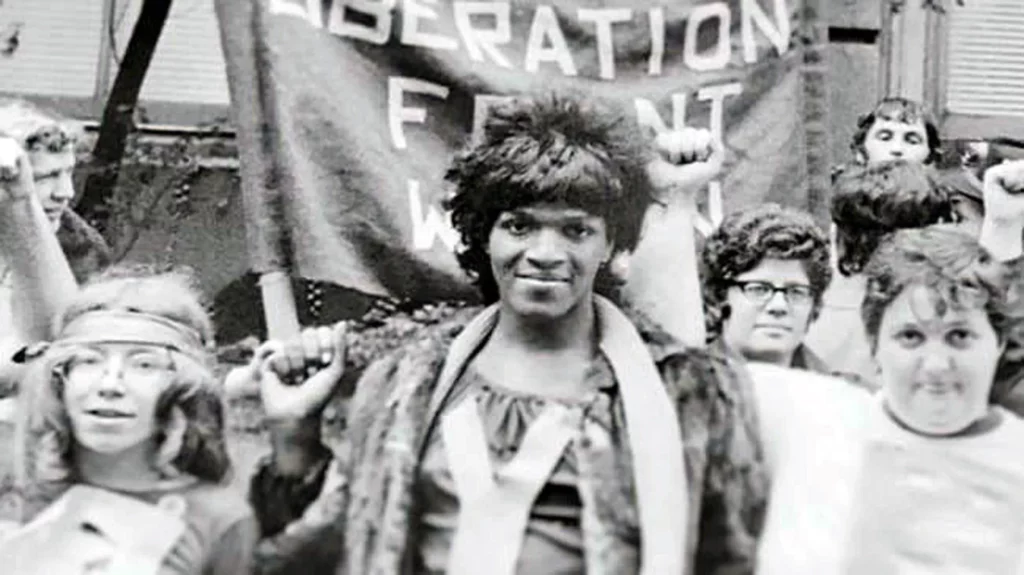
Marsha P. Johnson was a New York-based activist and sex worker. Today she is recognized as a pioneering trans figure. She was one of the central figures of the Stonewall riots in New York in 1969. Marsha P. Johnson co-founded STAR (Street Transvestite Action Revolutionaries) with Sylvia Rivera, an organization by and for precarious trans people, which also opened STAR House, a shelter to protect homeless trans people.
She also actively participated in ACT UP to fight the government’s inaction in response to the AIDS epidemic in the 1980s.
Gloria Anzaldúa, the Borderlands activist
- Mexican-American, Chicana
- 1942–2004
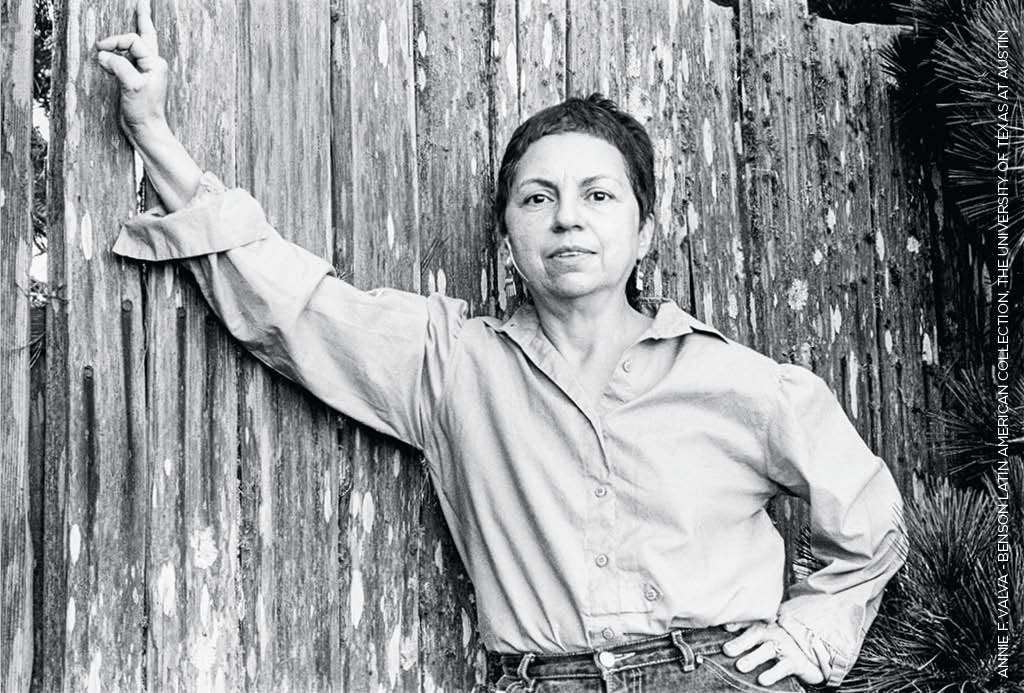
Gloria Anzaldúa was a writer, scholar, poet, and feminist activist who grew up at the border of several worlds (geographic, linguistic, sexual, cultural…). A pioneer in articulating the experience of women of color from working-class backgrounds, she helped theorize these marginalized identities.
She is especially known for her work Borderlands/La Frontera: The New Mestiza, a hybrid, poetic, autobiographical and political book mixing several languages. Opposed to binary logics, she theorizes a mixed consciousness. She co-edits with Cherríe Moraga This Bridge Called My Back, a work that denounces racism and classism in white feminism while fighting sexism.
Sylvia Rivera, the voice of Stonewall’s forgotten
- American of Puerto Rican and Venezuelan origin
- 1951–2002
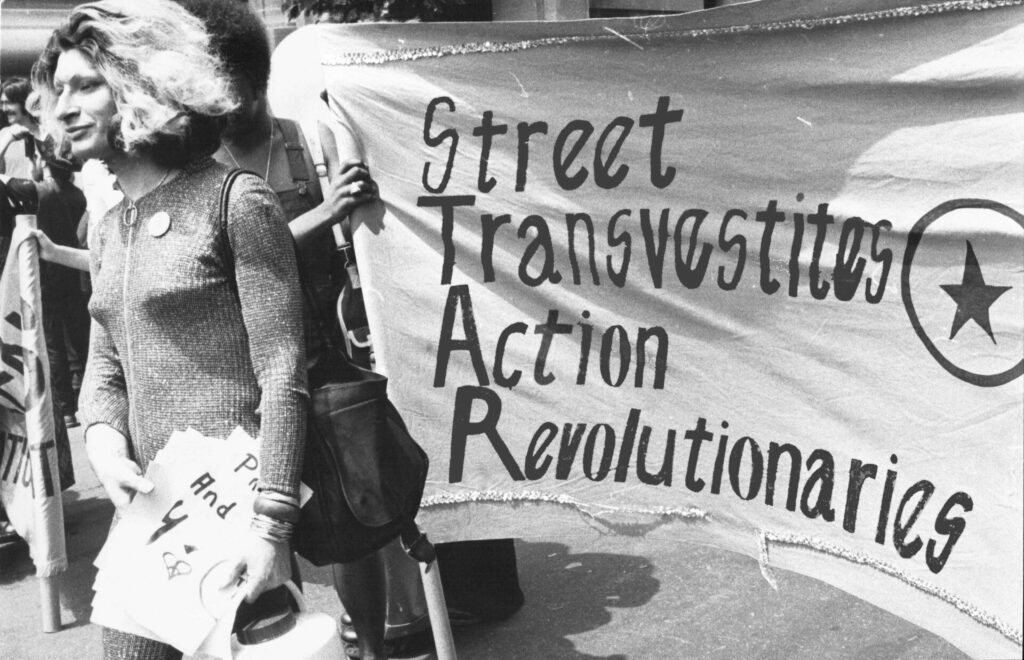
Sylvia Rivera was a trans activist, a drag queen, and a sex worker. Present at the Stonewall riots and an advocate for the inclusion of transgender people and drag queens, she co-founded with Marsha P. Johnson the STAR.
She is also known for her 1973 Pride speech, “Y’all better quiet down”, where she denounces the hypocrisy of white gay and lesbian communities that abandon transgender and precarious people to the streets. She fought until 2000 for anti-discrimination law to include gender identity and not only sexual orientation.
Kasha Jacqueline Nabagesera, an activist against deadly laws
- Ugandan
- born in 1980
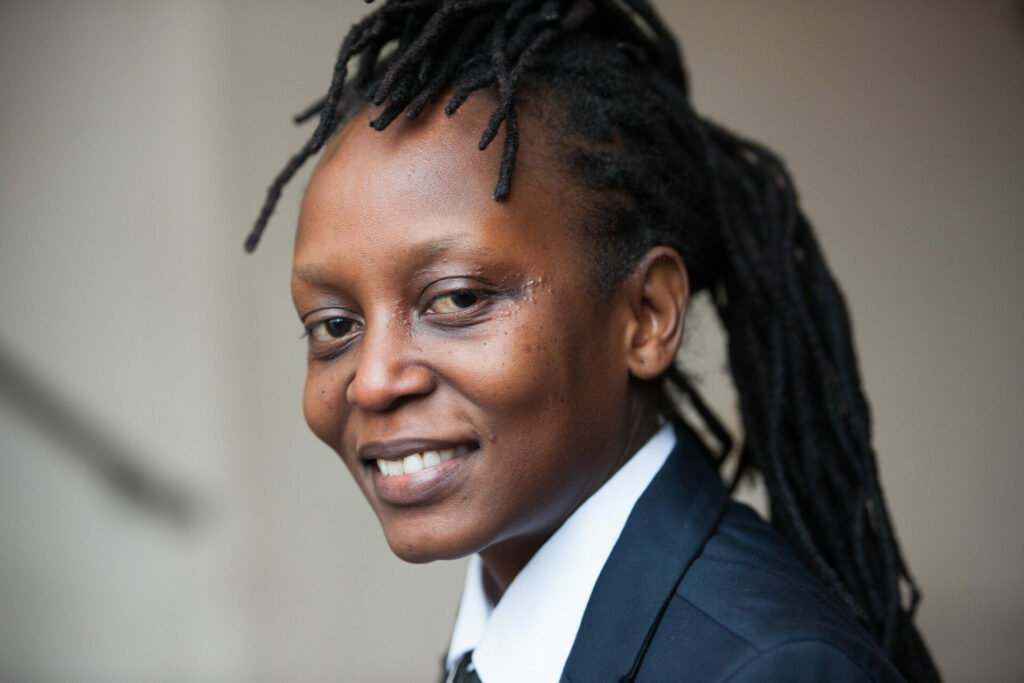
Kasha Jacqueline Nabagesera is a central figure in the Uganda LGBTQIA+ rights movement. Co-founder of Freedom and Roam Uganda, an organization dedicated to defending the rights of lesbian, bi, and trans women in Uganda, she won a case against the local magazine Rolling Stone in 2010, which incited the murder of homosexual people.
Moreover, she fought with the Sexual Minorities Uganda against the Kill the Gays law and helped create independent queer media such as Bombastic Magazine, a free magazine gathering testimonies and poems from Ugandan LGBTQIA+ people, distributed clandestinely across the country, and Kuchu Times, an online media platform. She notably received the Martin Ennals Award in 2011 and the Right Livelihood Award in 2015.
Monique Wittig, the lesbian writer who was not a woman
- French
- 1935–2003
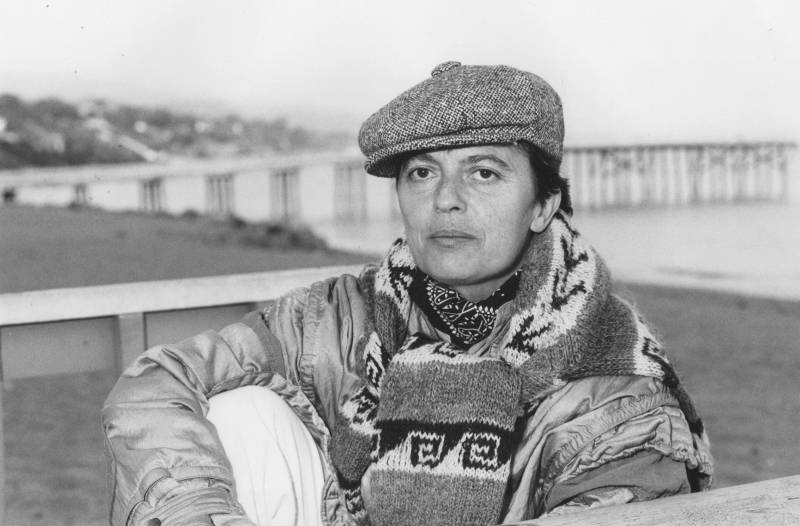
Monique Wittig was an intellectual and revolutionary activist, known for her theory in The Straight Mind : “Lesbians are not women,” where she explains that the concept of woman only makes sense within the heteropatriarchal system. A novelist and feminist lesbian theorist engaged in the 1970s, she participated in the Women’s Liberation Movement and considered heterosexuality as an oppressive political regime. Her involvement in the Women’s Liberation Movement is notably expressed by laying a bouquet of flowers beneath the Arc de Triomphe in Paris dedicated to “more unknown than the Unknown Soldier: his wife.” Later, she co-founded with other activists Les Gouines Rouges, the first radically lesbian collective in France. In addition, she develops reflections on language…
May Ayim, an Afro-German literary figure
- Afro-German
- 1960–1996
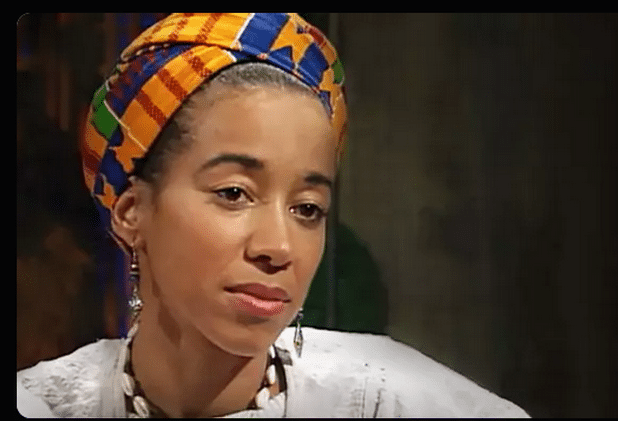
May Ayim was a poet, teacher, speech therapist, and feminist, queer Black and anti-racist activist. May Ayim co-created and popularized the term Afrodeutsch, which allowed Black people in Germany to choose a positive term of self-definition. In 1985, she co-founded the Initiative of Black People in Germany (Initiative Schwarze Deutsche, ISD), a political organization that brings together and defends the rights of Black people.
She published with Katharina Oguntoye and Dagmar Schultz, Farbe bekennen: Afrodeutsche Frauen auf den Spuren ihrer Geschichte, a work blending poetry, archives and the history of Black women in Germany. She also wrote the book blues in schwarz weiss where she describes everyday racism, the legacy of German reunification but also transnational solidarity among racially marginalized women.
Sarah Hegazi, the one who flew the rainbow flag in Cairo
- Egyptian
- 1989–2020
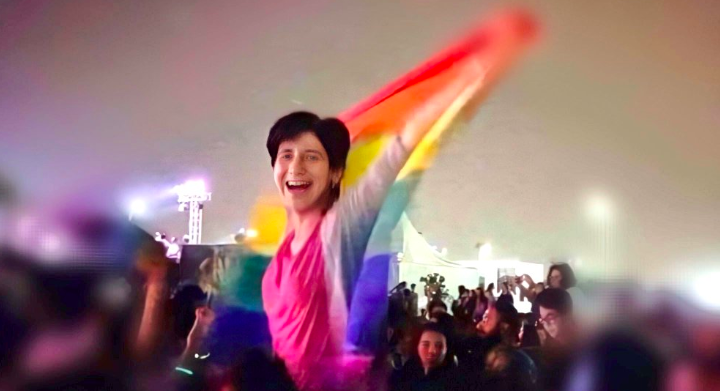
Sarah Hegazi was a lesbian activist, writer, and political figure. She is notably known for having brandished a rainbow flag at a Cairo concert by the Lebanese alternative rock band Mashrou’ Leila. After this act, she was arrested and charged with “incitement to debauchery” and “promotion of homosexuality.” During her imprisonment, she endured violence and torture. Released under international pressure and bail, she sought asylum in Canada, where she continued to campaign within the Spring Socialist Network. Her suicide in 2020 provoked tributes and demonstrations.
Lohana Berkins, turning an insult into an Argentine revolution
- Argentine
- 1965–2016
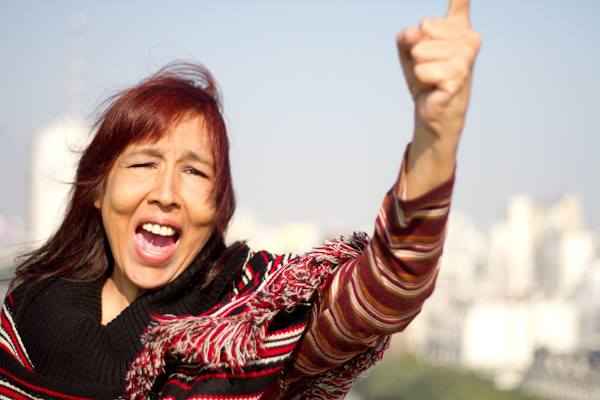
Lohana Berkins was a trans and transvestite (a term positively reclaimed in Argentina) activist. Co-founder and president of the Association for the Struggle for Transvestite and Transsexual Identity, she helped bring visibility to the trans community in Argentina and denounced the violence against them. In partnership with Diana Sacayán and Marlene Wayar, she participated in the fight for the gender identity law adopted in 2012, which allows changing gender and name by administrative declaration. In 2001, she fought for the administration to record her real name so she could work as a teacher, and then founded the Nadia Echazú textile cooperative, a school and worker cooperative run by and for trans people to combat precarity.
Gauri Sawant, Hijra activist for trans rights
- Indian
- born in 1980
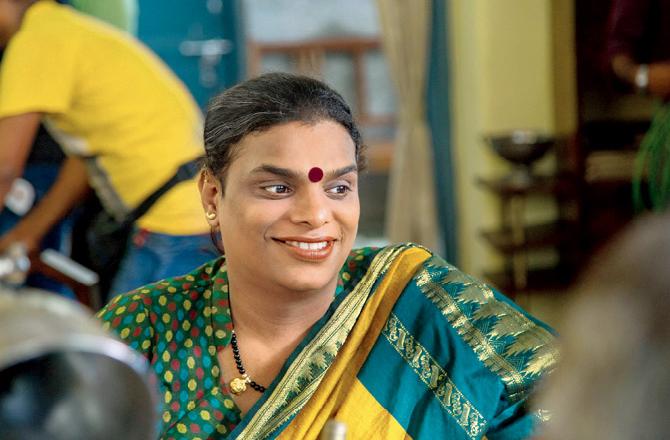
Gauri Sawant is a trans activist from the Hijra community. Founder of the NGO Sakhi Char Chowg i in 2000 in Malad, in the Mumbai suburbs, this organization offers a safe space as well as access to care and HIV prevention. In 2014, her participation in the NALSA ruling before the Indian Supreme Court contributed to the recognition of transgender people as a “third gender”, granting them constitutional rights.
Furthermore, in 2008, she fought to adopt Gayatri, a little girl taken in after the death of her previous guardian, thereby advancing adoption rights for trans people in India.
Dorothy Allison, the White Trash Lesbian figure
- American
- 1949–2024
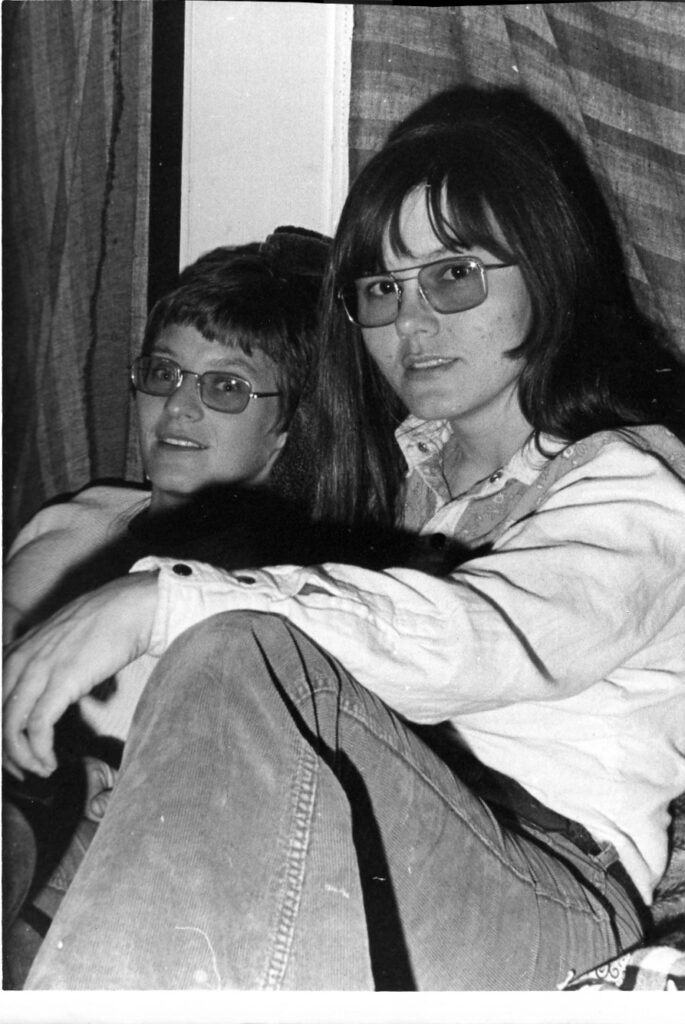
Dorothy Allison was an American writer, teacher, and white working-class, pro-sex lesbian activist from the Southern United States. Refusing shame, she used writing as a weapon to restore dignity to the “dirty.” A pro-sex activist, she participated in the Sex Wars that divided feminism in the 1980s in the United States and co-founded the Lesbian Sex Mafia, a radical pro-sex support group.
Additionally, she fought censorship to defend the freedom of desire and sexual exploration for women and lesbians. Through her short story collections such as Trash or Skin: About Sex, Class and Literature, she showed that feminist and queer struggles are not separate from the fight for class.
Maxine Wolfe, a lesbian activist of the AIDS era
- American
- born in 1941
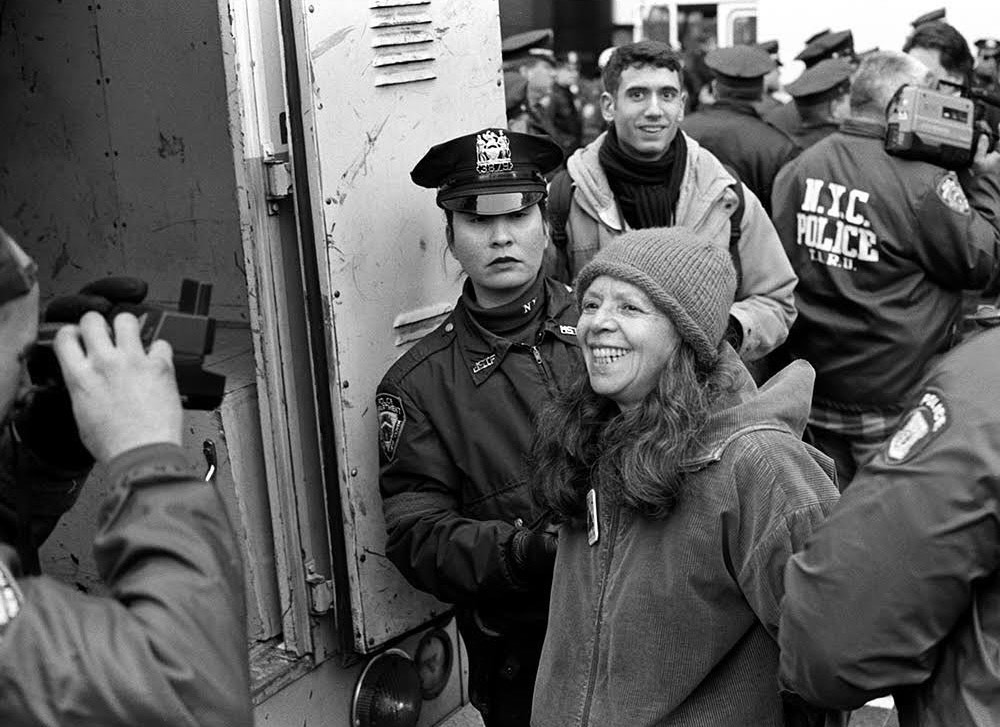
Maxine Wolfe is a lesbian activist, scholar, and figure of ACT UP New York. Involved since the 1960s, she coordinated some ACT UP demonstrations, such as the Stop the Church action in 1989 (which denounced the Church’s stance on condoms) or the takeover of the FDA headquarters. Along with other activists, she campaigned against the Centers for Disease Control to include women in the definition of AIDS, women then being excluded from experimental treatments and financial aid. In 1992 she co-founded the Lesbian Avengers, known for protests focused on “vital issues for the survival and visibility of lesbians”.
Shinta Ratri, the protector of queer and Muslim people
- Indonesian
- 1962–2023
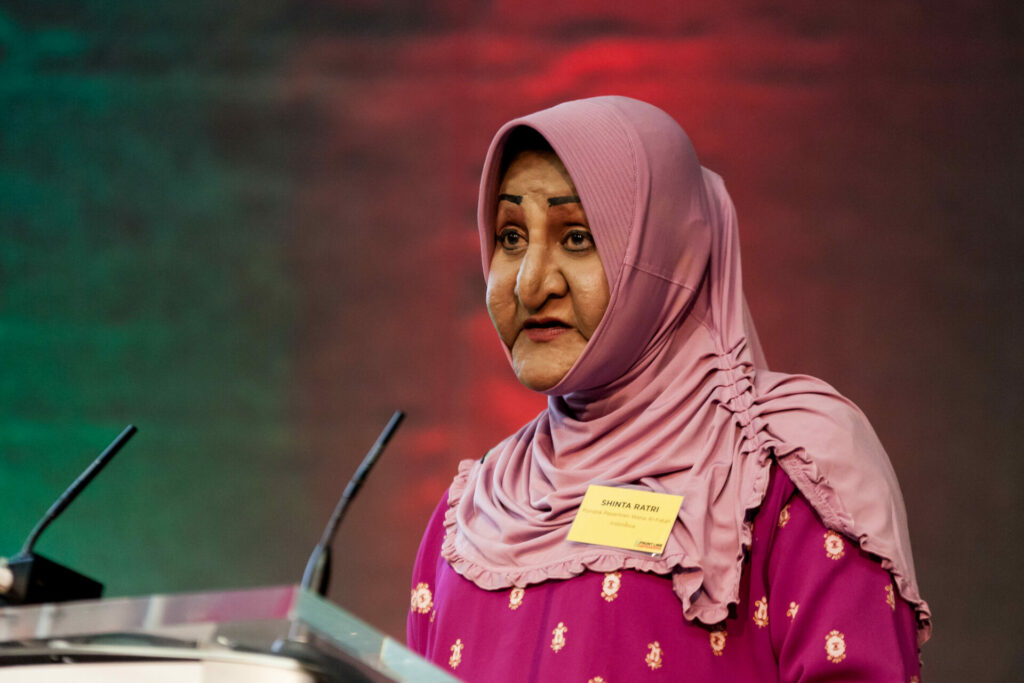
Shinta Ratri was a transgender Indonesian woman. In Indonesia, trans women are called warias and form part of Indonesia’s traditional culture. An activist against the rise of transphobia, she co-founded in 2008 the Pondok Pesantren Waria Al-Fatah in Yogyakarta, the only Quranic school and mosque dedicated to trans women. This sanctuary allowed warias to pray freely, study the Qur’an and/or wear the veil. Faced with the temporary closure of her school in 2016, she fought for its reopening. In 2019, she received the Front Line Defenders award for the Asia-Pacific region in recognition of her struggle.
Finally,
The most important queer activist on this International Day for the Rights of Women: you yourself. You resist and survive daily in a heteropatriarchal society. It is necessary to remember that every life is a resistance, that every gesture matters, and that negotiating your existence in a society that ignores your oppression is a daily struggle.
