
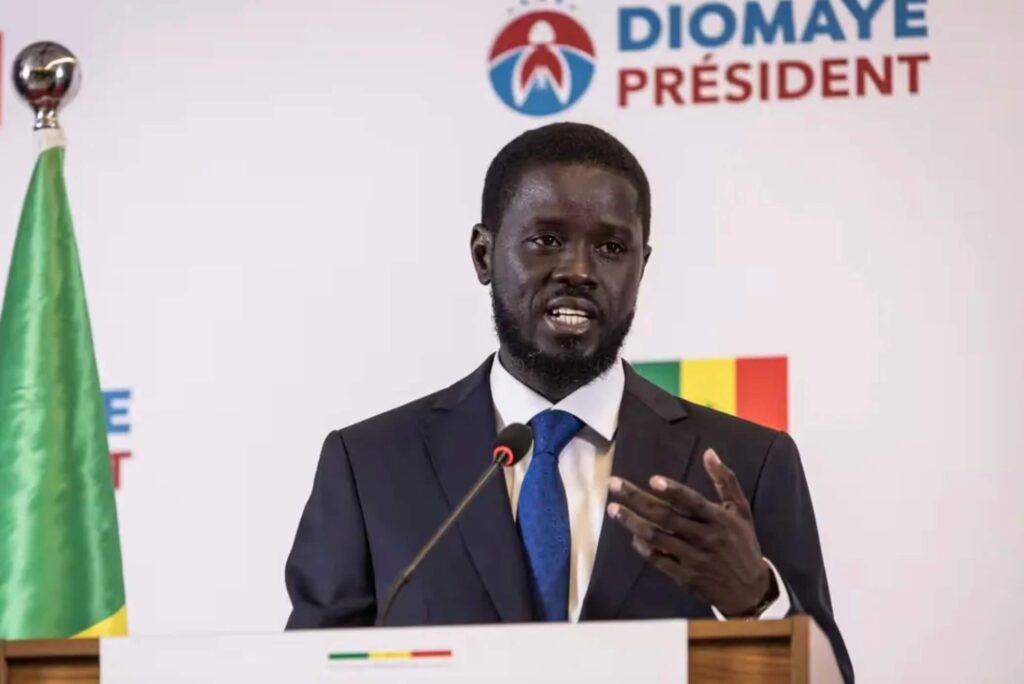
The president of Senegal, Bassirou Diomaye Faye, has promulgated the new homophobic law that doubles prison sentences for homosexuality in this West African country.
Senegal is deliberately sinking into obscurantism. A few days before its national holiday, which commemorates April 4, the independence of the country of Léopold Sédar Senghor, achieved in 1960, the president Bassirou Diomaye Faye has promulgated the law that tightens the repression of homosexuality.
Signed on March 27 but published this Monday in the Official Journal of Senegal, the law punishes 5 to 10 years in prison for acts “against nature”, namely homosexuality, necrophilia and zoophilia. The text also provides 3 to 7 years in prison for “the apology of an act against nature”, i.e., any process “tending to promote homosexuality, bisexuality, transsexuality, zoophilia, necrophilia or any other similar practice”.
Homophobic Senegal since 1966
Introduced in 1966 into the Senegalese Penal Code, the legal persecution of homosexuals was tightened on March 11 by an overwhelming majority of the National Assembly: 135 votes for, none against and three abstentions. “Homosexuals will no longer breathe in this country”, had then declared Deputy Diaraye Bâ from the lectern, amid the applause of some of her colleagues.
For several years, religious associations in this very predominantly Muslim country have been calling for the “criminalisation” of homosexuality, in the name of the fight against Western values. In the past weeks, following the Parliament’s vote, the climate of hunt for homosexuals in Senegal has intensified, where daily reports of arrests of people presumed to be homosexuals and a surge in online attacks have been noted.
